Seat Belt Assemblies
Complete restraint assemblies supplied as a unit — webbing, retractor, tongue and buckle together, so the parts that have to work with each other actually do.
Seat Belt Trader deals in automotive seat belts and restraint components — complete assemblies, replacement belts, retractors, buckles and webbing hardware — for passenger cars, commercial vehicles and fleet operators. Every enquiry starts with the vehicle and the mounting arrangement, not with a catalogue number.
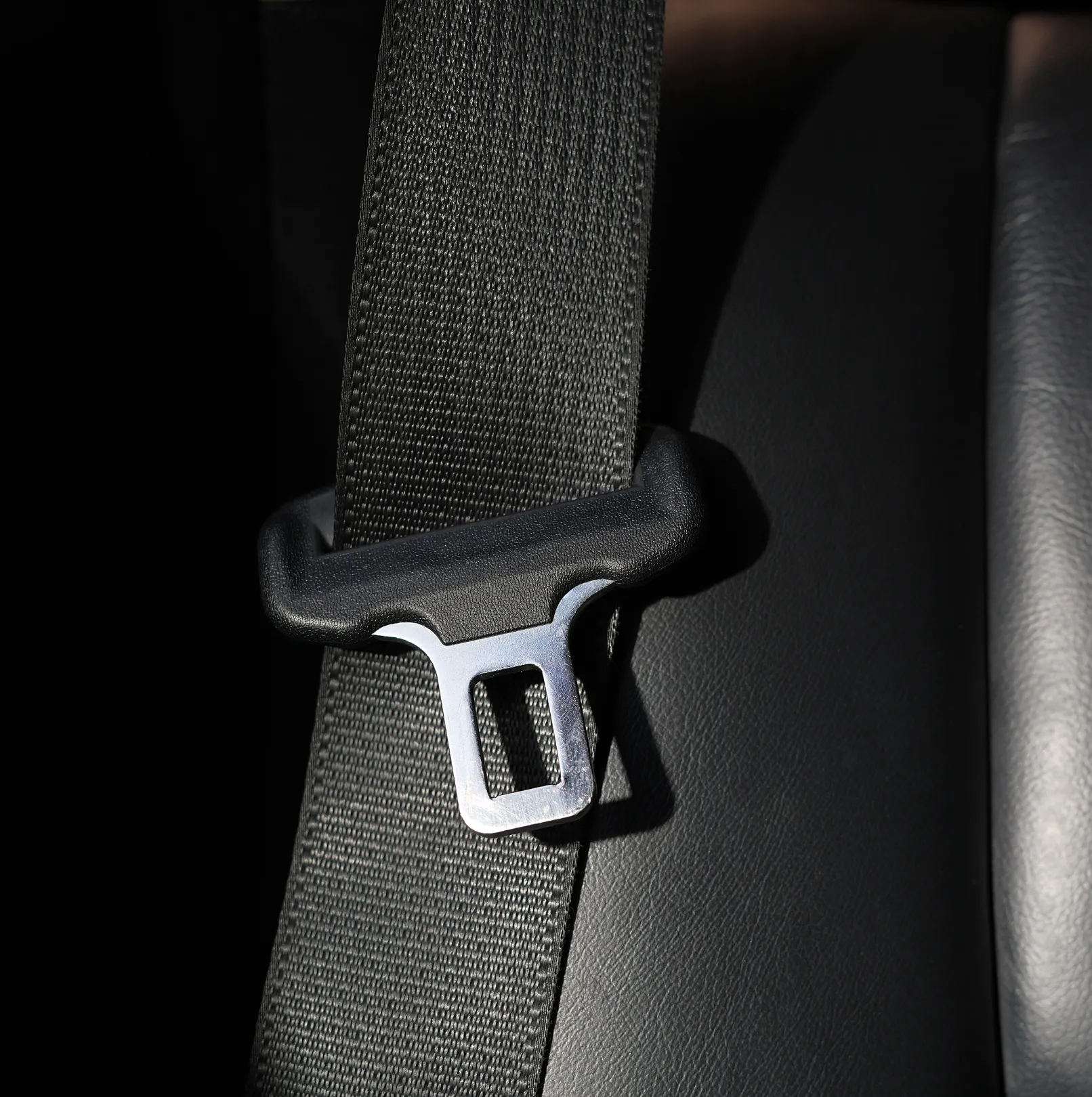
Airbags, crumple zones and electronic stability systems all matter. But they are designed around an occupant who is already held in position. The restraint system is what puts the occupant there and keeps them there — which is why a belt that is worn, frayed, sluggish on the retractor or wrong for the seating position undermines everything built around it.
That is also why supplying seat belts is not a commodity exercise. Two vehicles that look similar can use different anchorage points, different belt lengths, different retractor behaviour and completely different buckle tongues. Getting the part right means asking about the vehicle before quoting on the part.
A three-point belt spreads restraint load across the pelvis and the rib cage — the parts of the body better able to take it — and keeps the occupant away from the interior structure and within reach of the airbag's designed working position.
The retractor pays webbing out during normal movement and locks under sudden deceleration or rapid extraction. A retractor that pays out reluctantly, fails to retract, or does not lock cleanly is a functional problem, not a comfort complaint.
Belt length, anchorage position and the height at which the shoulder belt crosses the torso all change how the restraint behaves. A belt that routes across the neck or sits high on the abdomen is not doing the job it was engineered to do.
Cuts, fraying, chemical staining, heat damage, a buckle that needs several attempts to latch, or webbing that has been loaded in a previous collision are all reasons to have the assembly inspected by a qualified workshop and replaced where required.
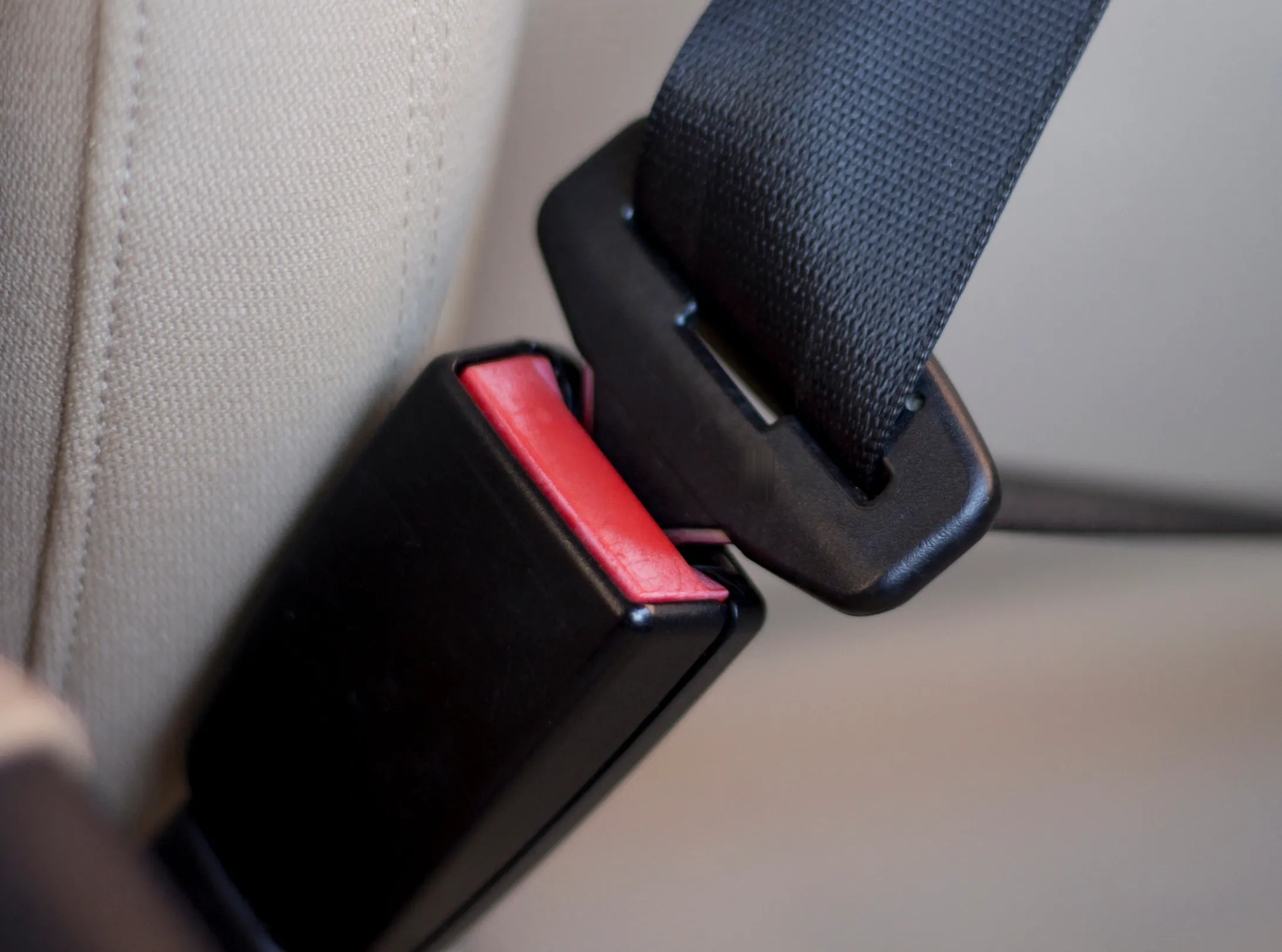
The range below reflects the categories we handle as a trading and supply business. Availability of any specific part depends on the vehicle, the configuration and current sourcing — so treat this as the shape of the range, and send us the actual requirement.
Complete restraint assemblies supplied as a unit — webbing, retractor, tongue and buckle together, so the parts that have to work with each other actually do.
Direct replacements for belts that are damaged, worn, non-retracting or otherwise due for renewal, matched to the vehicle and the seating position.
Retractor mechanisms that manage webbing pay-out and retraction and provide the locking behaviour the restraint depends on.
Buckle stalks, receptacles and tongue plates — the latching interface, where compatibility of the tongue profile matters as much as the fixing.
Belt webbing along with guides, loops, anchor plates and associated fixings used to route and secure the belt within the vehicle.
Restraint products for goods vehicles, buses, utility and fleet applications, where seat construction and duty cycle differ from passenger cars.
Different vehicles place different demands on a restraint system — not because the physics changes, but because seat construction, anchorage points, occupancy patterns and duty cycle do.
Front and rear seating positions in hatchbacks, sedans and SUVs, where three-point belts with retractors are the usual arrangement and belt length and anchorage differ by seat row.
Trucks, tempos and light commercial vehicles where cabins see long duty cycles, multiple drivers and heavier exposure to dust, heat and repeated buckling — all of which shorten practical service life.
Staff transport, school and intercity coach seating, where restraints are fitted in repeated rows and consistency of specification across a whole vehicle matters as much as the individual part.
Operators maintaining many vehicles of the same type, where restraint checks are part of scheduled maintenance and repeat supply of a known-correct part is the practical requirement.
Workshops and individual owners replacing a belt that is cut, frayed, seized, slow to retract, or one that has been loaded in a previous incident and needs to be renewed rather than repaired.
Utility vehicles, site transport and purpose-built bodies where the seat and mounting arrangement may not match a standard passenger layout, and the belt has to suit the actual installation.
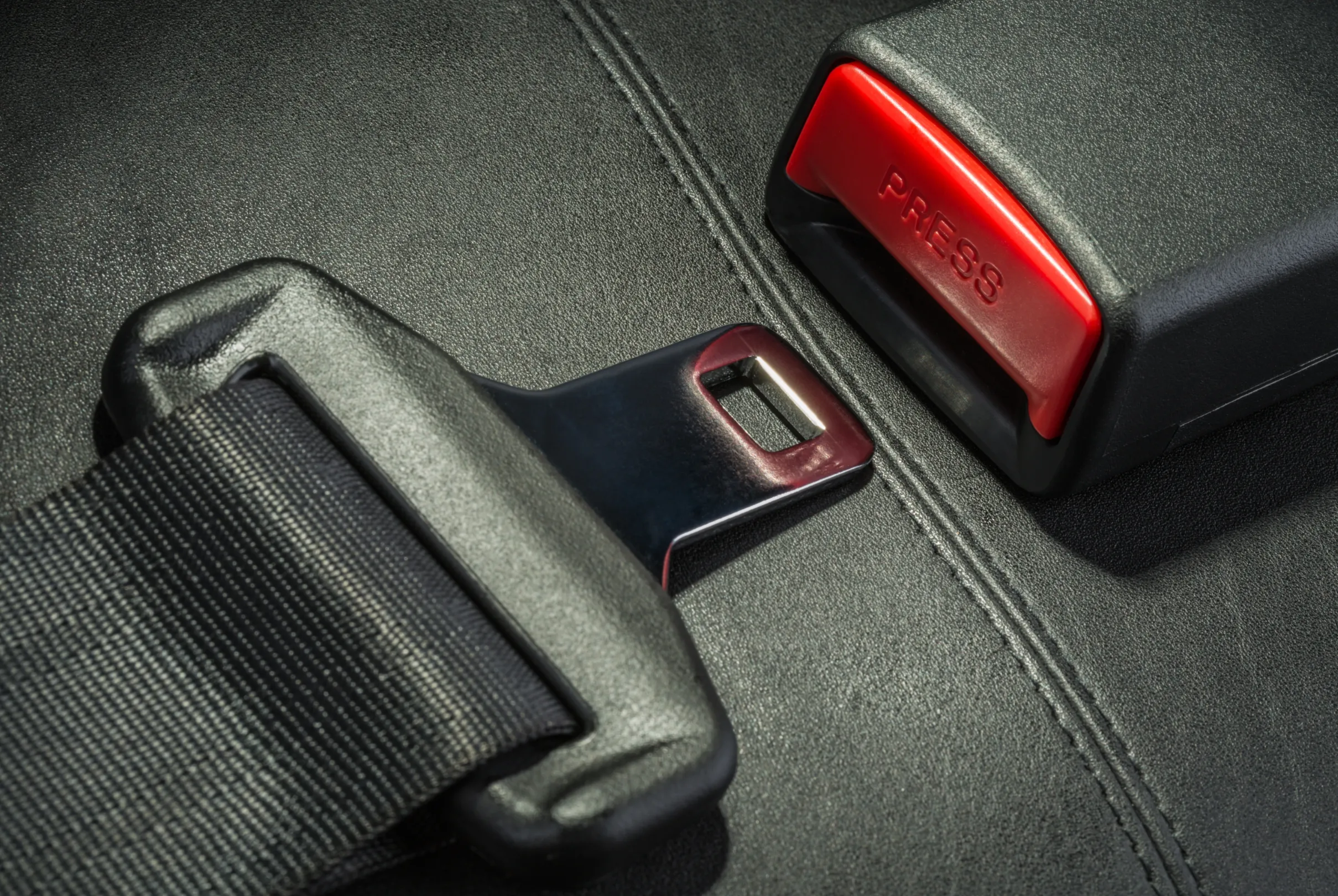
Most supply mistakes trace back to a handful of details that were never established at the start. These are the questions worth settling before anything is quoted or ordered — and they are the ones we will ask you.
We would rather spend an extra exchange establishing the requirement than send a part that gets returned. Everything below describes how we actually handle enquiries — not a list of claims we cannot stand behind.
We ask about the vehicle, the seating position, the mounting arrangement and what is wrong with the existing part before proposing anything.
A belt for a rear bench in a hatchback and one for a commercial cabin are different problems. We treat them that way.
If something is not available, not suitable, or better handled by your workshop, we will say so rather than supply the nearest approximation.
Tongue profile, retractor type, belt length and fixing specification are checked against your vehicle rather than assumed from a model name.
Once a specification is established for a vehicle type, reordering the same known-correct part becomes straightforward.
Questions about fitment, routing or what to check before ordering are part of the service, not an extra.

We put together a plain-language reference covering how a restraint system is built, what each component does, how to read the condition of a belt, and what to establish before ordering a replacement. It is written for vehicle owners, workshop staff and fleet managers who want to understand the part rather than just order it.
Webbing, retractor, tongue, buckle, anchorages and guides — what each part contributes.
Read 02How webbing pay-out and locking behaviour works, and what a failing retractor feels like.
Read 03The signs that mean an assembly should be looked at by a qualified workshop.
Read 04The details to have ready so a replacement can be identified without guesswork.
ReadA longer list, including questions on compatibility, retractors and what to send with an enquiry, is on the FAQ page.
All FAQsStart with the vehicle — make, model, model year and variant — and the exact seating position the belt is for. Then establish the mounting arrangement: where the assembly fixes to the body or seat frame, and whether the retractor is body-mounted or built into the seat. Finally, be clear about what is wrong with the existing part, because a frayed belt, a seized retractor and a buckle that will not latch can point to different replacements.
Compatibility is decided by physical fit and function together: anchorage points and spacing, bolt and thread specification, webbing length, retractor mounting and behaviour, and whether the tongue plate profile suits the buckle in the vehicle. Two belts can look nearly identical and still differ on one of these.
The reliable approach is to give us the vehicle details and a clear photograph of the existing installation, including the mounting points, rather than working from a part description alone.
The retractor is the spooling mechanism that stores the webbing, pays it out as the occupant moves, takes up slack, and locks the belt when it senses rapid webbing extraction or sudden vehicle deceleration. It is what allows a belt to be comfortable in normal use and still restrain under load.
If a belt will not retract, pays out only in jerks, stays locked, or fails to lock when tugged sharply, the retractor should be inspected by a qualified workshop.
Vehicle make, model, model year and variant; the seating position; the quantity you need; a description of the fault or the reason for replacement; and photographs of the existing assembly showing the retractor, the buckle and the mounting points. Any part number printed on the existing belt or its label is useful, though it is not always present or legible.
Whether it is a single replacement belt for one car or repeat supply across a fleet, the fastest route is a short message with the vehicle details and a photograph of the existing installation. We will come back with what suits the application.